
Location and substructure context
The BOE manual says work with no substructure work is not reviewed via a U-Permit. It also lists work on private property that is not in an easement dedicated to the City of Los Angeles and work within Caltrans right-of-way. These statements concern the City U-Permit context; they do not establish that no other permission or review is needed.
For vacated streets, BOE’s condition is more specific: there must be a recorded street vacation and no City of Los Angeles sewer or storm-drain easements. Simply calling a street “vacated” is not enough to apply the exception.
Specified work types with conditions
BOE lists pole installation or removal and pole anchors when located within sidewalk areas. It also addresses potholes and soil borings if permitted under an E-Permit, while noting they can be permitted under a U-Permit if the applicant has a franchise agreement with the CPUC. Monitoring wells are typically permitted under an E-Permit, with a similar stated franchise circumstance.
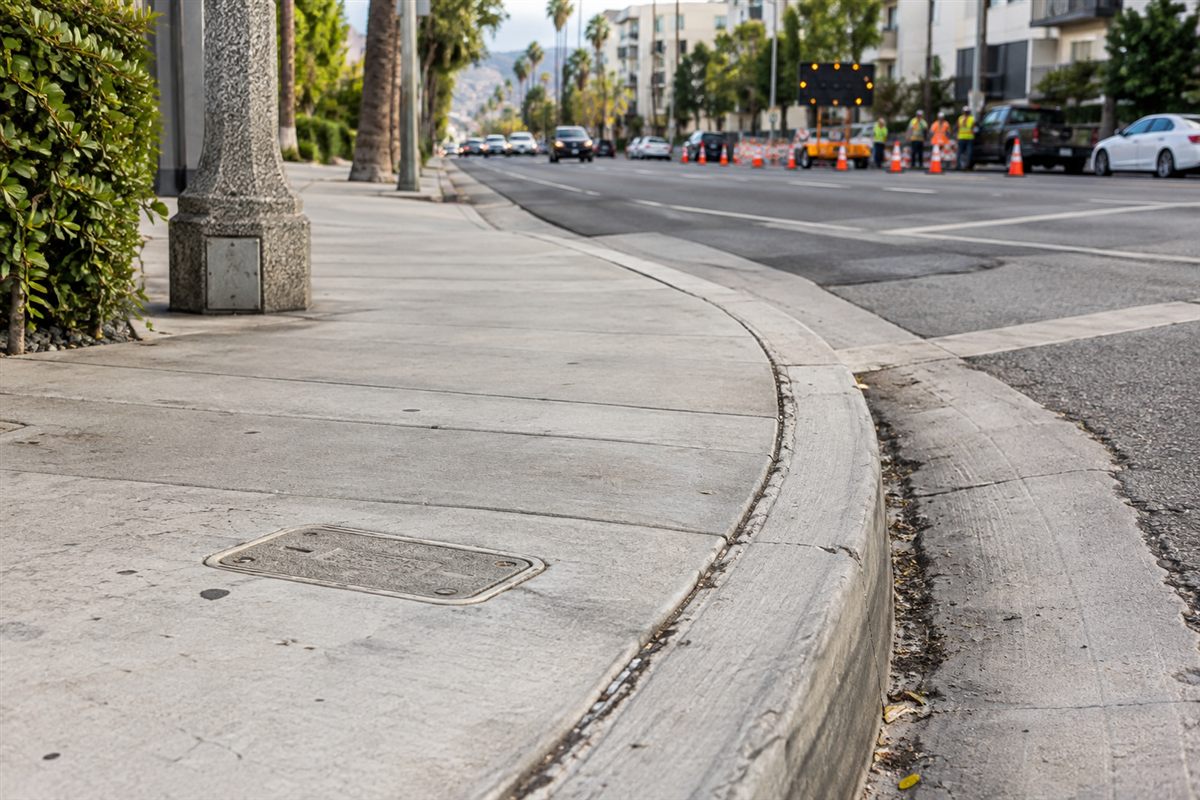
The manual separately describes Maintenance Hole Opening Permits and limits their issuance to owners of the respective maintenance holes, authorized representatives, and licensed sewer or storm-drain contractors. Its U-Permit exception list is not an invitation to assume that maintenance-hole work is unregulated.
How to use the exception list responsibly
Identify the precise site, easement or right-of-way status, work type, and applicant context before relying on any item. When a condition appears in BOE’s wording, retain that condition in project notes and discussions. Then check the live manual and confirm the appropriate permit path with the relevant authority.
“U-Permit not required” and “no permit required” are different conclusions. The BOE overview supports only the former for the cases it names.
Information should be verified against current City of Los Angeles Bureau of Engineering requirements. This guide is informational and is not a permit determination.